
Education and training
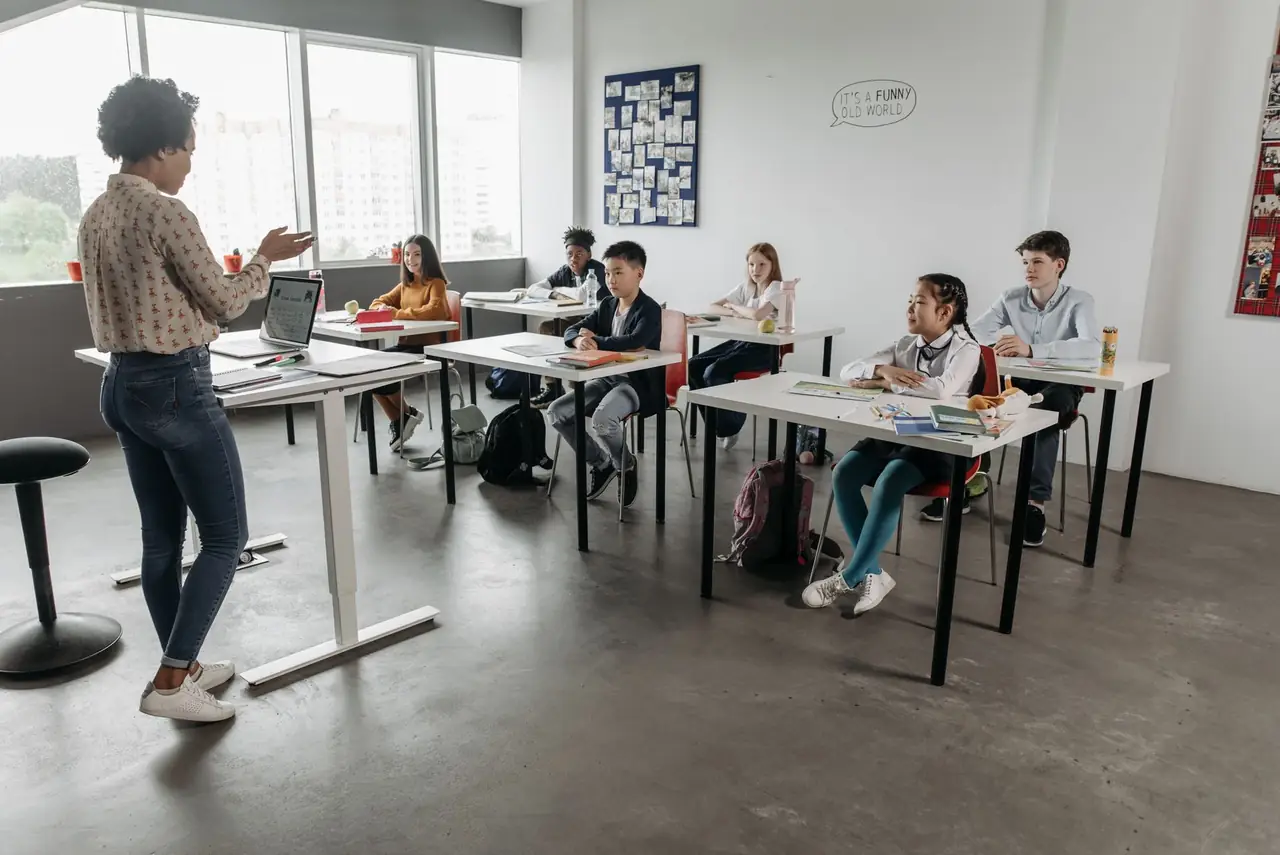
Original curricula, specialist manuals, program methods, and training resources. Identify the authors and any contributor or funder restrictions.
A separate path for nonprofit research, education, archives, and operations.
Your organization may hold useful material created through years of work. We help you consider buyer interest alongside ownership, contributor agreements, and your mission.
Estimate your data’s value
A curriculum, an environmental research collection, a cultural archive, or a food distribution history each raises different questions. We review the proposed collection on its own merits.
Work through rights and permissionsOriginal curricula, specialist manuals, program methods, and training resources. Identify the authors and any contributor or funder restrictions.

Organization-owned observations, specialist research, and nonpersonal longitudinal records. Check grant agreements and collaborator rights.
Text, photographs, recordings, and publications with suitable commercial-use rights. Owning a physical copy does not establish a right to license its content.
Warehousing, facilities, procurement, scheduling, and distribution records that explain the work. Keep private beneficiary circumstances outside the initial discussion.
Nonprofit status alone does not establish demand. The type of collection, its context, and the proposed use need individual review.
Identify ownership, privacy commitments, funder conditions, contributor agreements, and the people who can approve a license.
Consider the buyer, permitted uses, obligations, and commercial terms. Your organization decides whether the proposal serves its priorities.
Tell us about the collection and its purpose. Keep donor lists, beneficiary profiles, children’s information, and private case records out of the website inquiry.
Build a collection inventoryTalk with NeilPractical guides to the records, rights, and decisions behind an AI data deal.
Explore all guides
Nonprofits 5 min read
Explore possible nonprofit data licensing opportunities in education, research, archives, and operations, with a practical approach to mission and permissions.
Read the guide: Can a nonprofit license its data to AI companies?Nonprofits 5 min read
Organize nonprofit educational resources, research, and media archives for a possible AI licensing review while documenting provenance, rights, and context.
Read the guide: Nonprofit education, research, and archives: preparing a licensing inventory
Nonprofits 5 min read
Prepare a nonprofit licensing decision with a practical worksheet for ownership, contributors, grant conditions, mission fit, approvals, and net proceeds.
Read the guide: Nonprofit data licensing: a rights and approvals worksheetStart with a planning estimate, or tell Neil about your organization. Your first review is free.